프롬프트
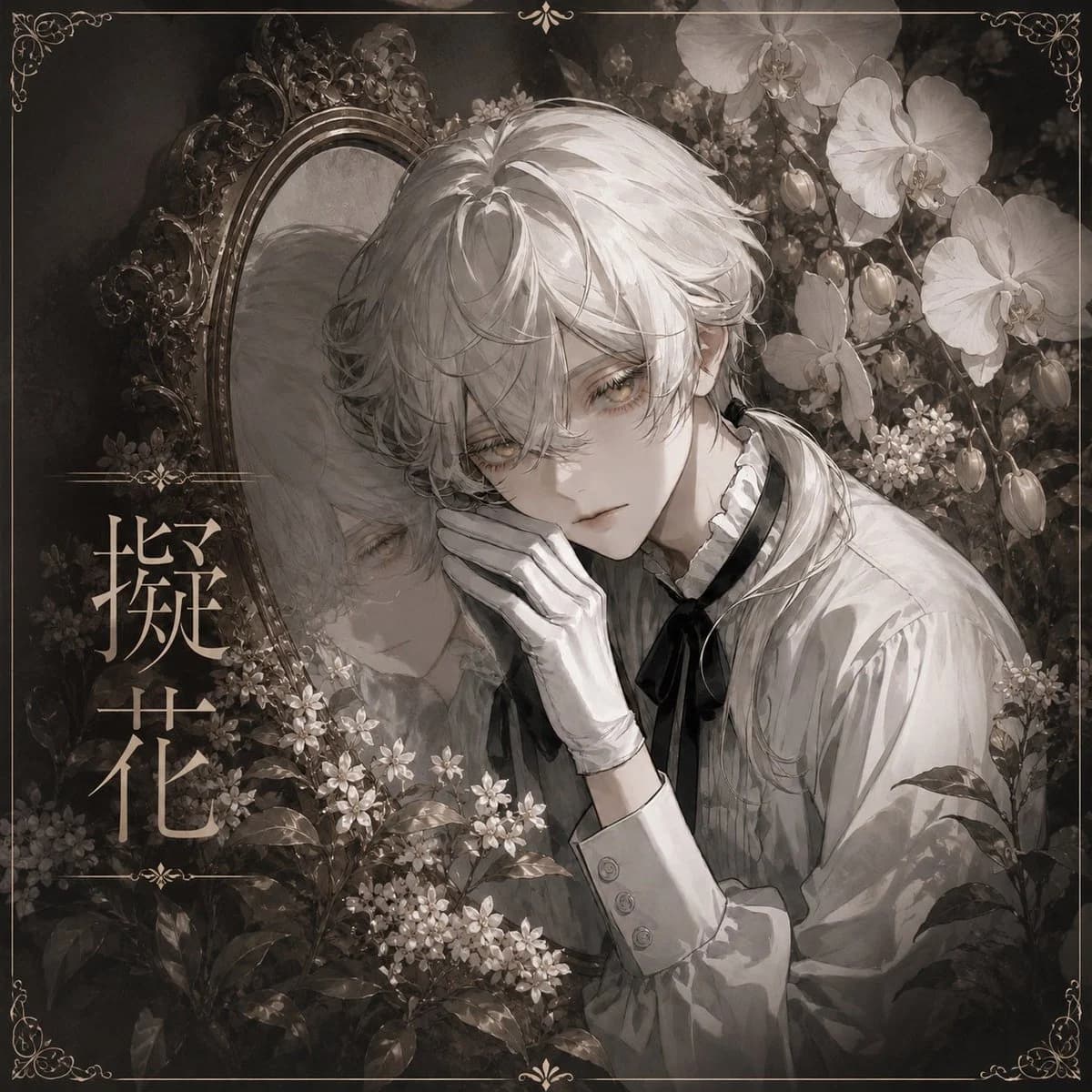
1583자제공된 이미지를 고서 속 해부학 도판으로 편집해 주세요. 원래 캐릭터의 포즈, 카메라 앵글, 신체 비율, 실루엣, 제스처, 전체 구도는 최대한 그대로 유지하되, 피사체를 정제된 해부학 연구 일러스트로 바꿔 주세요. 최종 이미지는 세피아 얼룩, 은은한 종이 섬유, 닳은 가장자리, 희미한 갈색 반점(폭싱), 고문서 잉크 질감이 남아 있는, 누렇게 바랜 아이보리색 종이에 인쇄된 빈티지 의학 해부학 교과서의 한 페이지처럼 보여야 합니다. 보이는 신체를 뼈, 표층 근육, 힘줄, 인대, 일부 장기의 실루엣이 드러나는 깔끔한 해부학 스케치로 변환하되, 교육적이고 잔혹하지 않은 박물관 수준의 스타일로 표현하세요. 19세기 해부학 도감과 정밀한 현대 의학 일러스트를 섞은 듯, 해부 표현은 우아하고 교육적으로 유지하세요. 가는 흑연 선, 빨강과 파랑의 해부학 잉크 포인트, 차분한 수채 워시, 섬세한 해칭을 사용하세요. 공포, 고어, 피, 부상, 신체 훼손, 수술 장면 같은 폭력적 묘사는 피하세요. 인물은 팔다리 위치, 몸통의 회전, 머리 각도, 시선 방향, 손의 위치, 원근 왜곡까지 원본 이미지와 같은 포즈를 유지해야 합니다. 원본이 애니메이션, 게임 아트, 일러스트, 실사 사진 중 무엇이든 일관되게 해부도로 재해석하고, 알아볼 수 있는 자세와 시각적 특징은 은은한 외곽 윤곽선으로만 남기세요. 옷과 액세서리는 해부 구조가 잘 보이도록 희미한 반투명 윤곽선으로 단순화해도 됩니다. 빈티지 타자기 서체로 페이지에 직접 타이핑한 듯한 라틴어 해부학 라벨을 추가하세요. 라벨은 가는 검은 지시선으로 각 구조와 연결합니다. 정확한 라틴어 해부학 용어를 사용하며, 예를 들어 다음을 포함하세요: Cranium, Mandibula, Clavicula, Sternum, Costae, Scapula, Humerus, Radius, Ulna, Vertebrae cervicales, Vertebrae thoracicae, Vertebrae lumbales, Pelvis, Os ilium, Os ischii, Femur, Patella, Tibia, Fibula, Talus, Calcaneus, Musculus sternocleidomastoideus, Musculus trapezius, Musculus pectoralis major, Musculus deltoideus, Musculus biceps brachii, Musculus rectus abdominis, Musculus obliquus externus abdominis, Musculus iliopsoas, Musculus gluteus maximus, Musculus sartorius, Musculus quadriceps femoris, Musculus biceps femoris, Musculus gastrocnemius, Ligamentum inguinale, Articulatio coxae, Articulatio genus, Articulatio talocruralis. 라벨은 가독성과 시각적 우아함의 균형을 맞춰 인물 주변에 자연스럽게 배치하세요. 텍스트는 진짜처럼 약간 불완전해 보여야 하며, 은은한 잉크 번짐, 고르지 않은 타자기 자간, 미세한 정렬 어긋남을 더하세요. 페이지 하단에는 “Tabula Anatomica — Figura I”, “Studium Corporis Humani”, “Atlas Anatomicus Vetus” 같은 작은 고문서풍 캡션을 넣으세요. 특별히 요청하지 않는 한 일본어 라벨은 쓰지 말고, 라틴어 해부학 명명법을 우선하세요. 조명은 스캔한 고서 페이지처럼 부드럽고 균일해야 합니다. 최종 결과물은 현대적인 인포그래픽이 아니라 학술적인 해부학 일러스트처럼 느껴져야 합니다. 높은 디테일, 정밀한 선화, 오래된 종이 질감, 해부학적 정확성, 우아한 구도, 은은한 붉은 근섬유, 연한 파란 정맥, 아이보리색 뼈 표현, 짙은 흑연 윤곽선, 옛 의학 도감의 분위기, 사실적인 인쇄물 특유의 불완전함.
이 프롬프트 소개
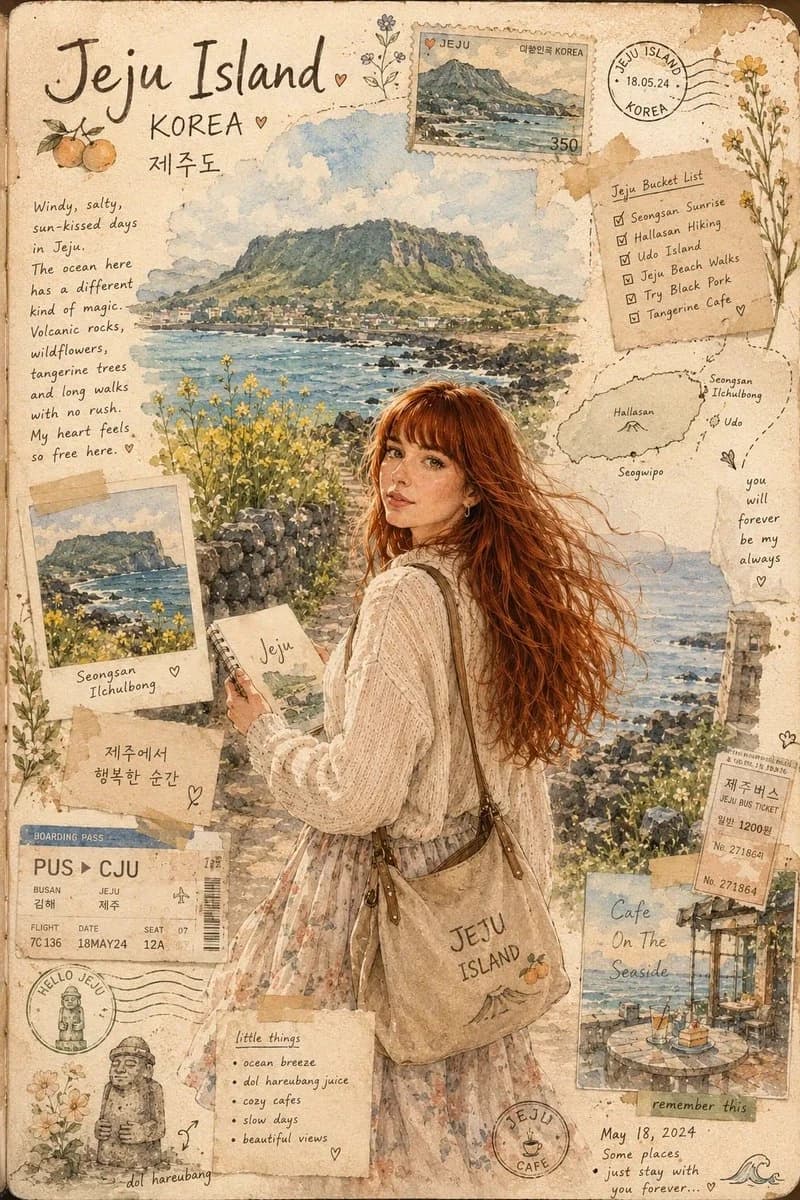
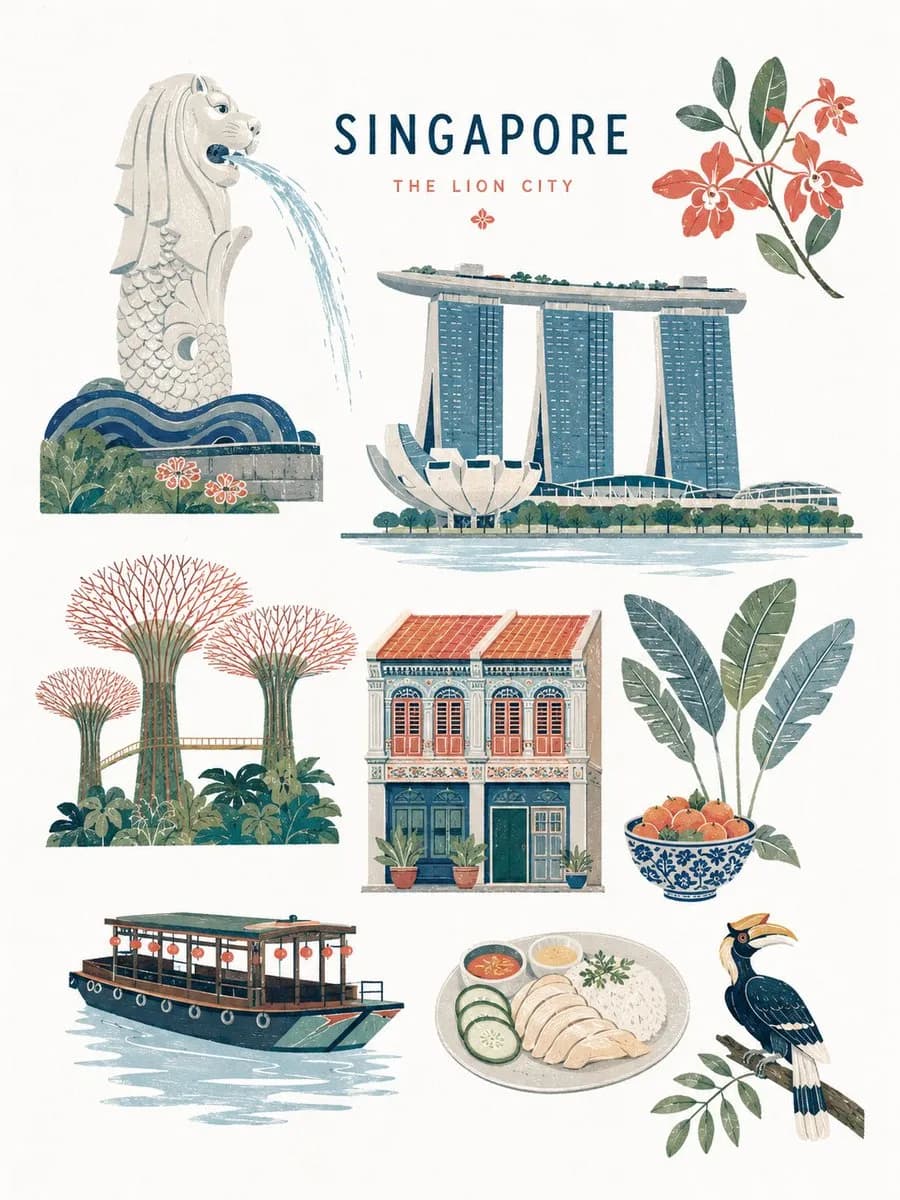
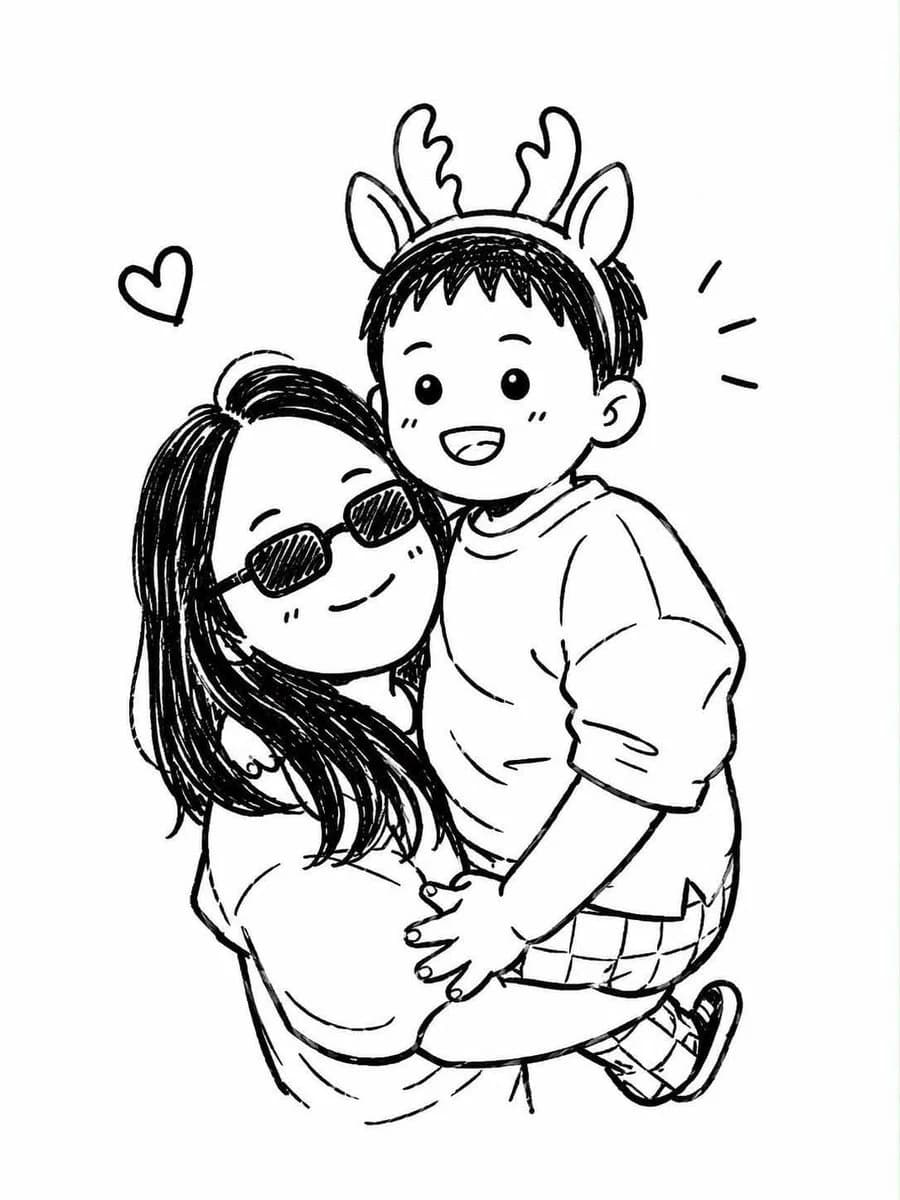
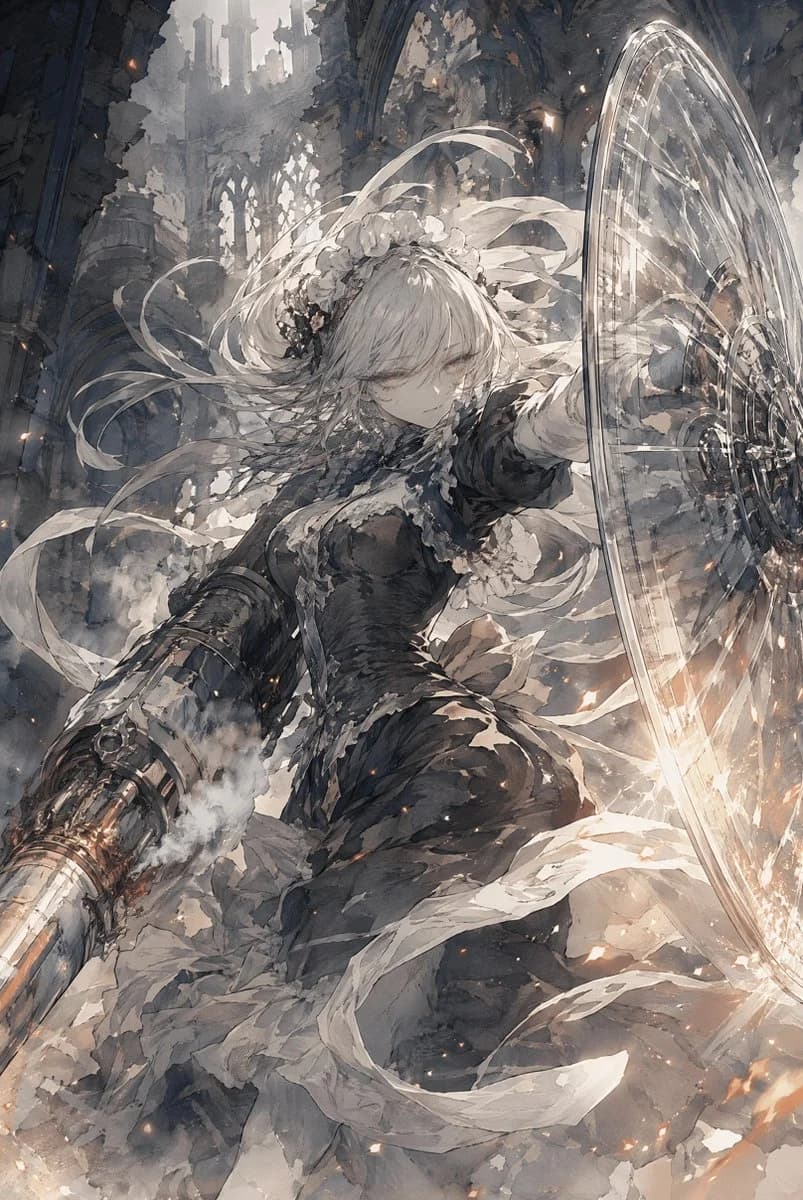
Image 2에서 GPT Image 2에 바로 사용할 수 있는 포스터 프롬프트 ‘빈티지 해부학 도판’입니다. 아래 1583자를 복사해 Create 폼에 붙여 넣으면 위 미리보기와 비슷한 이미지를 만들 수 있습니다. 인포그래픽, 포스터, 패션 태그를 조정하면 새로운 방향으로 확장할 수 있습니다.
먼저 그대로 사용해 본 뒤 피사체, 조명, 구도를 작업에 맞게 조정해 보세요. 원문을 그대로 쓰거나 수정해도 생성 비용은 같습니다.
사용 사례
포스터 작업의 좋은 출발점
‘빈티지 해부학 도판’처럼 표현한 포스터 이미지를 만들고 싶다면 이 GPT Image 2 프롬프트로 시작해 보세요. 스타일과 구도는 이미 잡혀 있으므로 인물, 제품, 색상, 장면 요소만 작업에 맞게 바꾸면 됩니다.
먼저 손보기 좋은 부분
- 피사체 인물, 제품, 장소, 오브젝트를 내 내용으로 바꾸고 전체 구도는 유지합니다.
- 분위기 조명, 색감, 카메라 각도, 소재 디테일을 브랜드나 용도에 맞춥니다.
- 결과 형식 생성 전에 비율, 배경, 텍스트, 레이아웃 지시를 정리합니다.
비슷한 프롬프트 더 보기
스타일, 용도, 피사체가 가까운 GPT Image 2 프롬프트를 이어서 확인해 보세요.
사용 방법
- 1단계
프롬프트 복사
위의 복사 버튼을 눌러 전체 텍스트를 가져옵니다.
- 2단계
Image 2 Create 열기
Create 폼으로 이동해 붙여 넣습니다.
- 3단계
생성
Generate를 누르면 몇 초 안에 내 버전이 완성됩니다.
내 버전으로 만들기
한 번의 클릭으로 Create 폼에 불러오고 바로 조정하세요.