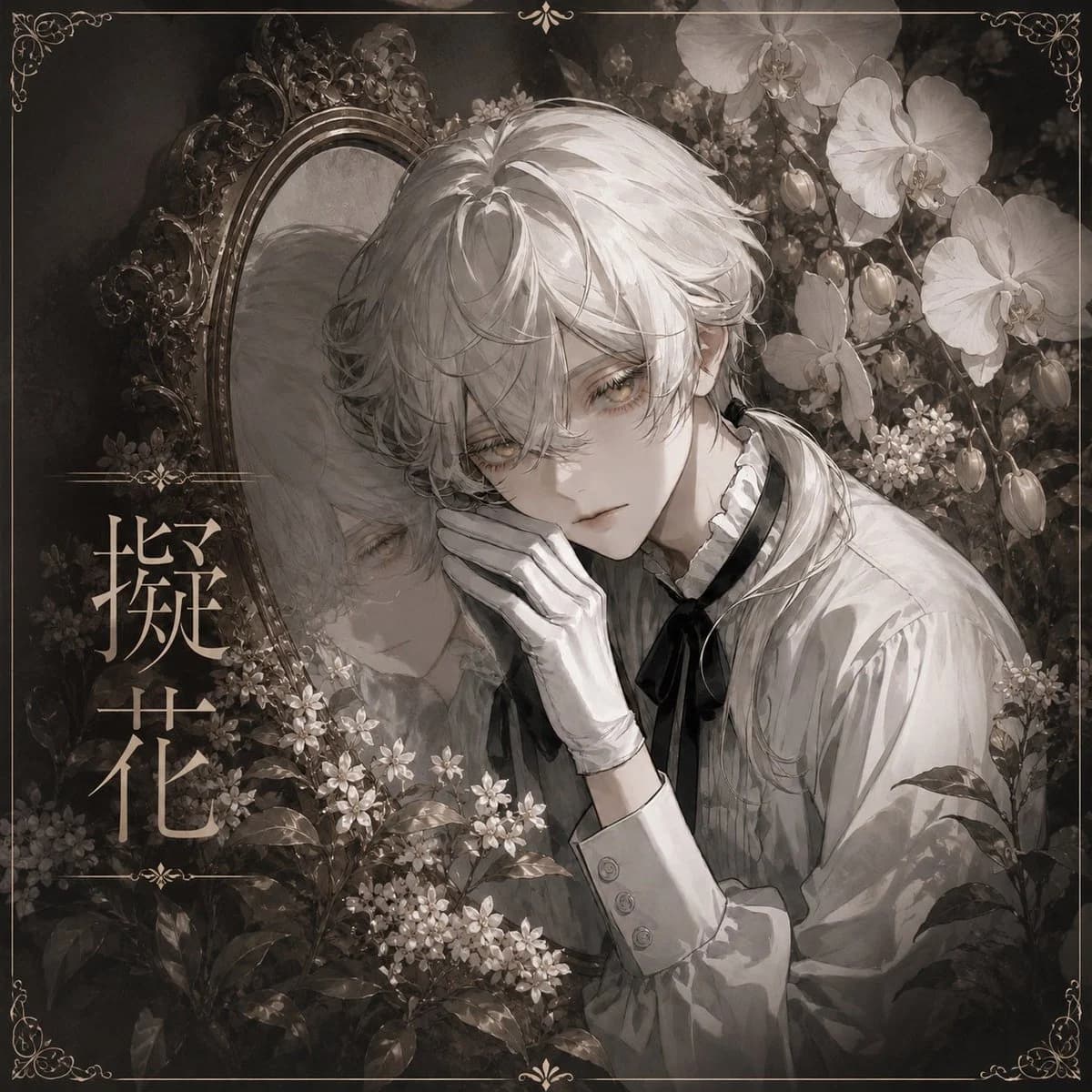
Prompt
429 WörterBearbeite das bereitgestellte Bild zu einer antiken anatomischen Bildtafel. Bewahre Pose, Kamerawinkel, Körperproportionen, Silhouette, Geste und Gesamtkomposition der ursprünglichen Figur so genau wie möglich, verwandle das Motiv aber in eine raffinierte anatomische Studienillustration. Das Ergebnis soll aussehen wie eine Seite aus einem alten medizinischen Anatomielehrbuch, gedruckt auf gealtertem elfenbeinfarbenem Papier, mit Sepiaflecken, feinen Papierfasern, abgenutzten Rändern, schwachen Stockflecken und der Tintentextur alter Archivdrucke. Wandle den sichtbaren Körper in eine saubere anatomische Skizze um, die Knochen, oberflächliche Muskeln, Sehnen, Bänder und ausgewählte Organsilhouetten in einem didaktischen, nicht blutigen Stil in Museumsqualität zeigt. Halte die Anatomie elegant und lehrreich, wie einen anatomischen Atlas des 19. Jahrhunderts, gemischt mit präziser moderner medizinischer Illustration. Verwende dünne Graphitlinien, rote und blaue anatomische Tintenakzente, gedämpfte Aquarelllasuren und feine Schraffuren. Vermeide Horror, Gore, Blut, Verletzungen, Verstümmelung oder chirurgische Gewalt. Die Figur muss in derselben Pose wie im Ausgangsbild bleiben, einschließlich Gliedmaßenposition, Rumpfdrehung, Kopfwinkel, Blickrichtung, Handhaltung und perspektivischer Verzerrung. Ist das Originalbild ein Anime, Game Art, eine Illustration oder ein realistisches Foto, interpretiere es durchgängig als anatomisches Diagramm und behalte die erkennbare Haltung und visuelle Identitätsmerkmale nur als dezente äußere Konturen bei. Kleidung und Accessoires können zu schwachen, durchscheinenden Konturlinien vereinfacht werden, damit die anatomischen Strukturen lesbar bleiben. Füge anatomische Beschriftungen auf Latein in einer Vintage-Schreibmaschinenschrift hinzu, als wären sie auf die Seite getippt. Die Beschriftungen sind über dünne schwarze Hinweislinien mit den Strukturen verbunden. Verwende korrekte lateinische anatomische Fachbegriffe, zum Beispiel: Cranium, Mandibula, Clavicula, Sternum, Costae, Scapula, Humerus, Radius, Ulna, Vertebrae cervicales, Vertebrae thoracicae, Vertebrae lumbales, Pelvis, Os ilium, Os ischii, Femur, Patella, Tibia, Fibula, Talus, Calcaneus, Musculus sternocleidomastoideus, Musculus trapezius, Musculus pectoralis major, Musculus deltoideus, Musculus biceps brachii, Musculus rectus abdominis, Musculus obliquus externus abdominis, Musculus iliopsoas, Musculus gluteus maximus, Musculus sartorius, Musculus quadriceps femoris, Musculus biceps femoris, Musculus gastrocnemius, Ligamentum inguinale, Articulatio coxae, Articulatio genus, Articulatio talocruralis. Platziere die Beschriftungen natürlich rund um die Figur und balanciere Lesbarkeit und visuelle Eleganz. Der Text soll authentisch und leicht unperfekt wirken, mit dezentem Ausbluten der Tinte, ungleichmäßigen Schreibmaschinenabständen und kleinen Ausrichtungsfehlern. Füge unten auf der Seite eine kleine Bildunterschrift im Archivstil ein, etwa „Tabula Anatomica — Figura I“, „Studium Corporis Humani“ oder „Atlas Anatomicus Vetus“. Verwende keine japanischen Beschriftungen, sofern nicht ausdrücklich gewünscht; priorisiere die lateinische anatomische Nomenklatur. Das Licht soll weich und flach sein wie bei einer eingescannten antiken Seite. Das Ergebnis muss wie eine wissenschaftliche anatomische Illustration wirken, nicht wie eine moderne Infografik. Hoher Detailgrad, präzise Linienführung, gealterte Papierstruktur, anatomische Genauigkeit, elegante Komposition, dezente rote Muskelfasern, blassblaue Venen, elfenbeinfarben dargestellte Knochen, dunkle Graphitkonturen, die Atmosphäre eines alten medizinischen Atlas, realistische Unvollkommenheiten einer gedruckten Seite.
Über diesen Prompt
Vintage-Anatomietafel ist ein sofort nutzbarer Poster-Prompt für GPT Image 2 in Image 2. Kopiere die 429 Wörter unten, füge sie in das Create-Formular ein und du erhältst ein Ergebnis nahe an der Vorschau. Passe die Tags Infografik, Poster, Mode an, wenn du ihn in eine neue Richtung schieben möchtest.
Nutze ihn als Vorlage und passe Motiv, Licht oder Komposition an dein Projekt an. Die Credit-Kosten bleiben gleich, egal ob du ihn direkt verwendest oder bearbeitest.
Einsatzbereich
Guter Startpunkt für Poster
Starte hier, wenn du ein Poster-Bild ähnlich wie Vintage-Anatomietafel erstellen möchtest. Look und Aufbau stehen bereits fest; ersetze nur Motiv, Produkt, Farben oder Szenendetails passend zu deinem Projekt.
Was sich schnell anpassen lässt
- Motiv Tausche Person, Produkt, Ort oder Objekt aus und behalte die Grundkomposition bei.
- Look Passe Licht, Farbwelt, Kamerawinkel oder Materialdetails an deine Marke an.
- Format Lege Seitenverhältnis, Hintergrund, Text und Layout-Hinweise vor dem Generieren fest.
Ähnliche Prompt-Richtungen
Entdecke weitere GPT Image 2 Prompts mit ähnlichem Stil, Einsatzbereich oder Motiv.
So nutzt du ihn
- Schritt 1
Prompt kopieren
Klicke oben auf Kopieren, um den vollständigen Text zu übernehmen.
- Schritt 2
Image 2 Create öffnen
Wechsle zum Create-Formular und füge ihn ein.
- Schritt 3
Generieren
Klicke auf Generate. Deine Version ist in Sekunden fertig.
Mach ihn zu deinem
Lade den Prompt mit einem Klick ins Create-Formular und passe ihn direkt an.