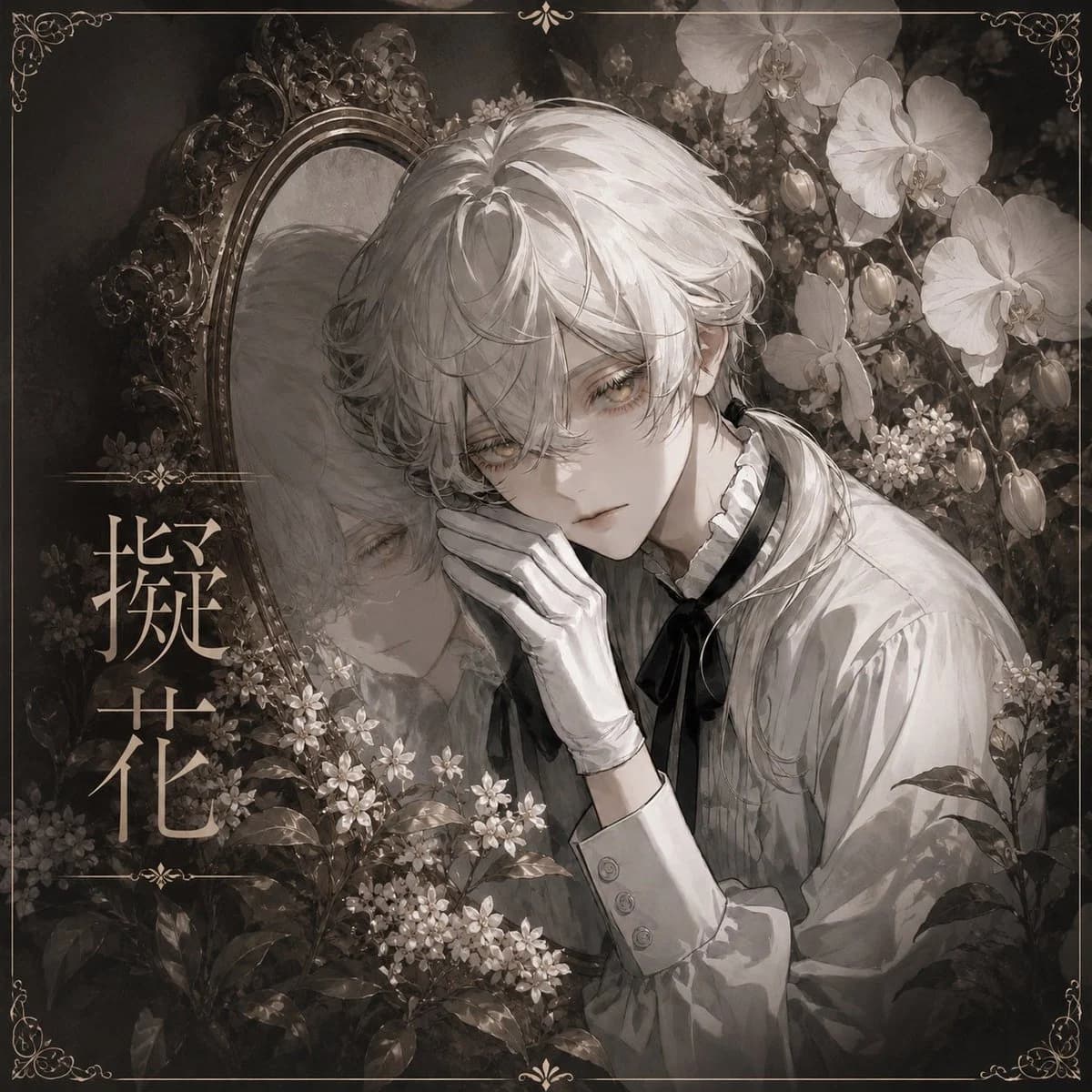
Prompt
537 palabrasEdita la imagen proporcionada para convertirla en una lámina anatómica de libro antiguo. Conserva lo más fielmente posible la pose del personaje original, el ángulo de cámara, las proporciones corporales, la silueta, el gesto y la composición general, pero transforma al sujeto en una refinada ilustración de estudio anatómico. El resultado debe parecer una página de un antiguo libro de texto de anatomía médica impresa en papel marfil envejecido, con manchas sepia, sutiles fibras de papel, bordes desgastados, tenues manchas de óxido y textura de tinta de archivo. Convierte el cuerpo visible en un boceto anatómico limpio que muestre huesos, músculos superficiales, tendones, ligamentos y siluetas de algunos órganos, con un estilo didáctico, sin sangre y de calidad museística. Mantén la anatomía elegante y educativa, como un atlas anatómico del siglo XIX combinado con una ilustración médica moderna y precisa. Usa finas líneas de grafito, acentos de tinta anatómica roja y azul, aguadas de acuarela apagadas y un sombreado de trama delicado. Evita el terror, el gore, la sangre, las heridas, la mutilación o la violencia quirúrgica. La figura debe permanecer en la misma pose que la imagen original, incluida la posición de las extremidades, la rotación del torso, el ángulo de la cabeza, la dirección de la mirada, la colocación de las manos y la distorsión de la perspectiva. Si la imagen original es anime, arte de videojuego, ilustración o fotografía realista, reinterprétala de forma coherente como diagrama anatómico, manteniendo la postura reconocible y los rasgos de identidad visual solo como sutiles contornos externos. La ropa y los accesorios pueden simplificarse en tenues líneas de contorno translúcidas para que las estructuras anatómicas sigan siendo legibles. Añade etiquetas anatómicas en latín con una fuente de máquina de escribir antigua, como si estuvieran mecanografiadas en la página. Las etiquetas deben unirse a las estructuras mediante finas líneas guía negras. Usa terminología anatómica latina precisa, con ejemplos como: Cranium, Mandibula, Clavicula, Sternum, Costae, Scapula, Humerus, Radius, Ulna, Vertebrae cervicales, Vertebrae thoracicae, Vertebrae lumbales, Pelvis, Os ilium, Os ischii, Femur, Patella, Tibia, Fibula, Talus, Calcaneus, Musculus sternocleidomastoideus, Musculus trapezius, Musculus pectoralis major, Musculus deltoideus, Musculus biceps brachii, Musculus rectus abdominis, Musculus obliquus externus abdominis, Musculus iliopsoas, Musculus gluteus maximus, Musculus sartorius, Musculus quadriceps femoris, Musculus biceps femoris, Musculus gastrocnemius, Ligamentum inguinale, Articulatio coxae, Articulatio genus, Articulatio talocruralis. Coloca las etiquetas de forma natural alrededor de la figura, equilibrando legibilidad y elegancia visual. El texto debe parecer auténtico y ligeramente imperfecto, con un sutil corrido de la tinta, espaciado irregular de máquina de escribir y pequeñas irregularidades de alineación. Incluye un pequeño pie de archivo en la parte inferior de la página, como “Tabula Anatomica — Figura I”, “Studium Corporis Humani” o “Atlas Anatomicus Vetus”. No uses etiquetas en japonés salvo que se pida expresamente; da prioridad a la nomenclatura anatómica latina. La iluminación debe ser suave y plana, como la de una página antigua escaneada. El resultado final debe sentirse como una ilustración anatómica académica, no como una infografía moderna. Alto nivel de detalle, trazos precisos, textura de papel envejecido, precisión anatómica, composición elegante, sutiles fibras musculares rojas, venas azul pálido, huesos en tono marfil, contornos de grafito oscuro, atmósfera de antiguo atlas médico e imperfecciones realistas de página impresa.
Sobre este prompt
Lámina anatómica vintage es un prompt de póster listo para usar con GPT Image 2 en Image 2. Copia las 537 palabras de abajo, pégalas en el formulario Create y obtendrás un resultado cercano a la vista previa. Ajusta las etiquetas Infografía, Póster, Moda si quieres llevarlo hacia otra dirección.
Úsalo como punto de partida y ajusta el sujeto, la iluminación o la composición hasta conseguir el resultado que buscas. El coste en créditos es el mismo si lo usas tal cual o lo personalizas.
Caso de uso
Buen punto de partida para Póster
Empieza aquí si quieres una imagen de póster en la línea de Lámina anatómica vintage. El prompt ya marca el estilo y la estructura; solo cambia el sujeto, el producto, los colores o los detalles de la escena según tu idea.
Qué conviene ajustar primero
- Sujeto Sustituye la persona, el producto, el lugar o el objeto principal sin perder la composición.
- Estilo Ajusta la luz, la paleta, el ángulo de cámara o los materiales para que encaje con tu marca.
- Formato Define la proporción, el fondo, el texto o las notas de composición antes de generar.
Más rutas de prompts para explorar
Encuentra más prompts de GPT Image 2 con un estilo, uso o tema parecido.
Cómo usarlo
- Paso 1
Copia el prompt
Pulsa el botón Copiar de arriba para obtener el texto completo.
- Paso 2
Abre Image 2 Create
Ve al formulario Create y pégalo.
- Paso 3
Genera
Pulsa Generate. Tu versión estará lista en segundos.
Hazlo tuyo
Carga el prompt en el formulario Create con un clic y empieza a ajustarlo.